TechnoTrans Nantes: 3 realities of road decarbonisation in 2026
At the TechnoTrans show in Nantes, three realities emerged for decarbonising road transport: varied needs, operational constraints, and digital as a lever.
One show, many realities: from spot buying to annual tenders
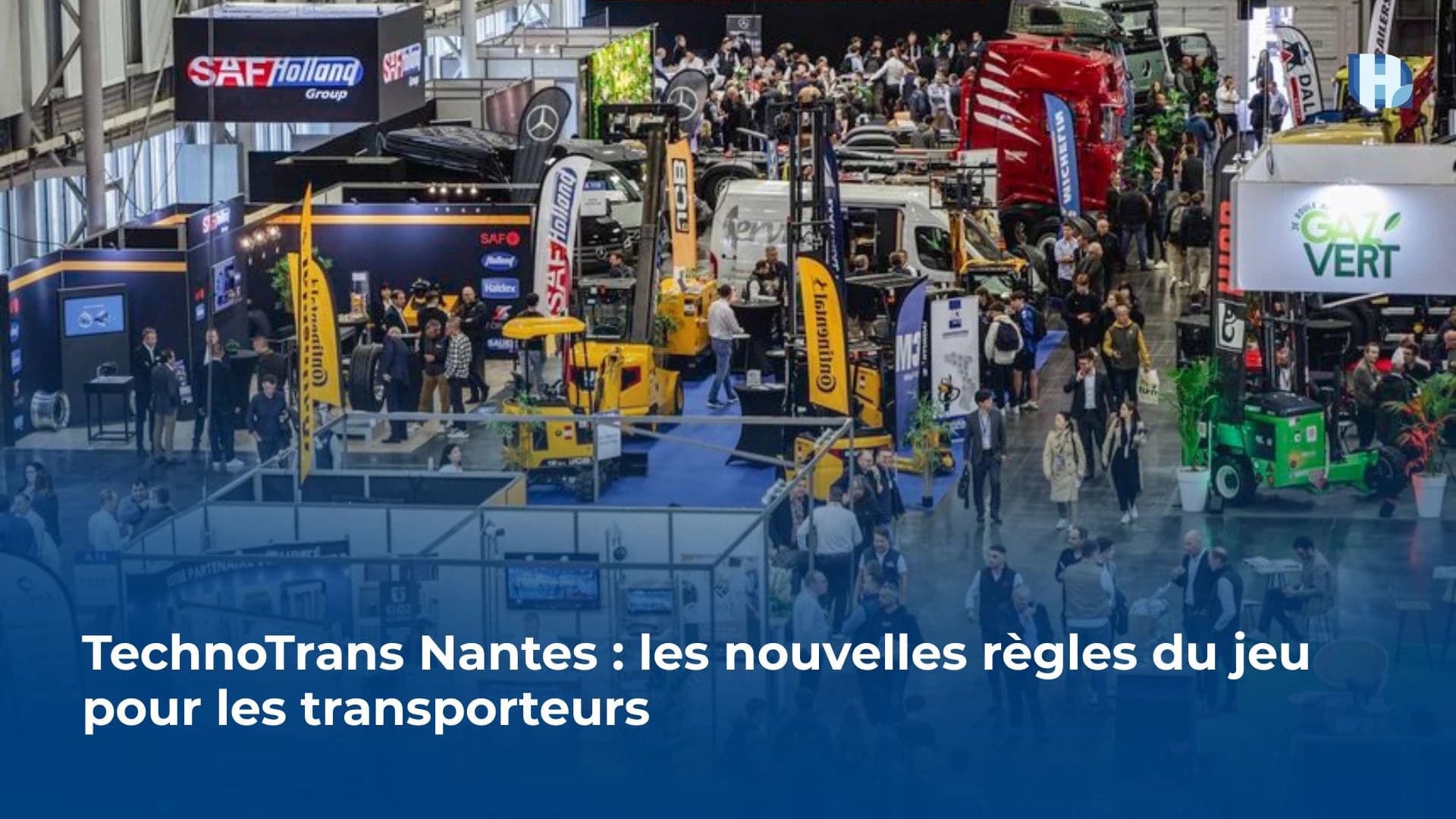
The TechnoTrans show, held in Nantes in October 2026, confirmed a fact that is too often overlooked: there is no single fuel-buyer profile, but a wide range of practices and maturity levels.
Some operators still buy fuel on an ad hoc basis, driven by routes and spot-market pricing opportunities. Others, particularly mid-sized fleets and larger groups, work through annual tenders and need long-term visibility over their supply.
Between these two extremes, many transport managers juggle both logics depending on site, vehicle type or season. This diversity of needs is the first lesson from TechnoTrans: any decarbonisation solution must adapt to this spectrum, not the other way round.
Energy transition meets operational constraints
Costs that remain hard to arbitrate
Discussions on the show floor in Nantes made clear that cost remains the central and most sensitive issue. Alternative fuels are often still more expensive than diesel, and operators must weigh immediate investment against regulatory or commercial benefits that only materialise over the medium term.
Vehicle compatibility, a concrete obstacle
Beyond price, the compatibility of vehicles and engines with new fuels remains a very real constraint. Not every engine can run on every solution, and mixed fleets make purchase planning even more complex.
These operational constraints explain why the energy transition tends to move in stages rather than through a single switch. Operators need reliable information to secure each step without putting service continuity at risk.
Digital tools as a lever connecting buyers and distributors
The third lesson from TechnoTrans: digital tools are emerging as the means to bring fuel buyers and distributors closer together, after years of being separated by a lack of shared information.
Conversations with show visitors confirmed that operators are mainly looking for clarity: comparing offers, tracking availability, and understanding price and compliance differences without endless phone calls and spreadsheets.
For producers and distributors, digital platforms also offer a way to better showcase available volumes and product specifics, and to reach buyers they would not otherwise meet. This two-sided demand - for visibility and simplicity - shaped much of the discussion in Nantes.
How Heeding simplifies your fuel purchasing and decarbonisation
These three realities - diverse needs, operational constraints, and the role of digital tools - are at the heart of what Heeding is building from Valbonne. Our marketplace connects road transport buyers with producers and distributors of sustainable fuels, whether for a one-off purchase or an annual contract.
Beyond matchmaking, Heeding supports the steering of fuel supply and regulatory compliance, so that every purchasing decision fits into a coherent, well-documented decarbonisation path.
Whether a single purchase or an annual plan, buying sustainable fuel works best when grounded in a clear view of available options and their regulatory implications.
To turn these insights into a concrete action plan, Heeding offers a free Flash Diagnostic, which lets you review your supply situation and improvement opportunities in just a few minutes. You can access it directly at tools.myheeding.com/en/diagnostics.