Monaco Yacht Show 2026: yachting confronts the energy transition
From September 23-26, 2026, the Monaco Yacht Show puts yacht decarbonisation at the centre of industry debate.
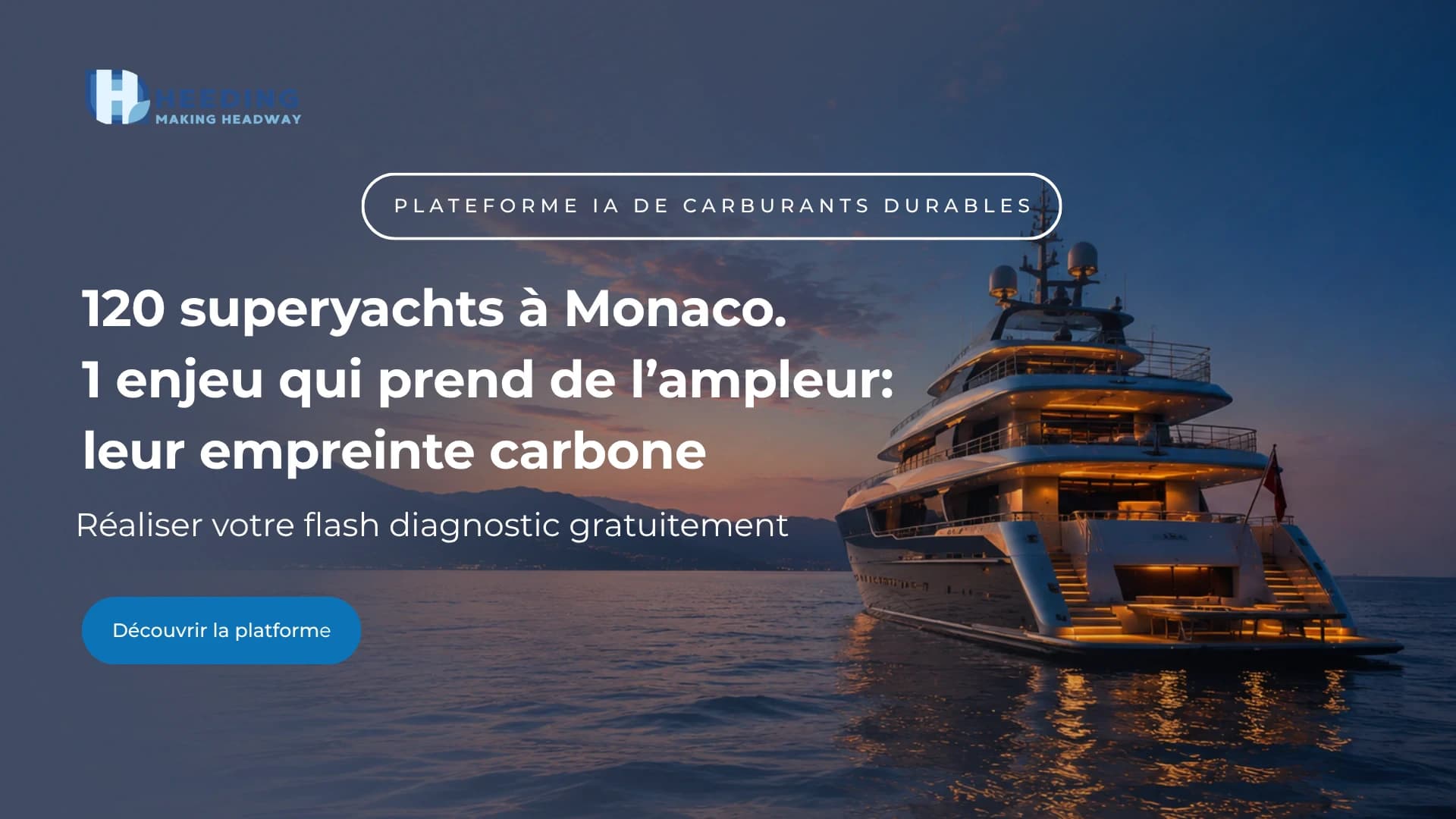
Monaco Yacht Show, a key gathering for the industry
The Monaco Yacht Show will take place from September 23 to 26, 2026, in Port Hercule. Every year, the event brings together leading shipyards, yacht owners, brokers and equipment manufacturers from the global yachting industry. It is also one of the few occasions when the entire value chain comes together to discuss the sector's shared priorities.
Beyond the unveiling of new models, the show acts as a barometer for the major trends running through the industry. The 2026 edition is no exception: environmental questions are taking up more space, driven by regulatory pressure and by a clientele increasingly attentive to these issues.
Decarbonisation, now a central topic for yachting
Long seen as a niche sector largely untouched by the environmental constraints facing commercial shipping, yachting is now seeing the picture shift. European and international authorities, including the International Maritime Organization, are gradually tightening requirements across the maritime sector as a whole. The EU's FuelEU Maritime framework, which aims to reduce the carbon intensity of fuels used at sea, illustrates this broader regulatory momentum.
Major owners and yacht fleet managers are now factoring carbon trajectories into their operating and investment decisions. This awareness translates into a very concrete operational question: how to act now, without waiting for fleet renewal or the arrival of new propulsion technologies?
Decarbonising existing yachts: what concrete options exist
Acting on fuel without changing vessels
Most yachts currently in operation will continue sailing for many years to come. Waiting for hydrogen, electric propulsion or new engine technologies is therefore not an option for reducing emissions in the short term. The most immediate lever remains the fuel itself, with solutions such as sustainable fuels already compatible with existing engines.
Derived from renewable or recycled feedstocks, these fuels allow a reduction in carbon footprint without any technical modification to the yacht. Their use, however, still depends on limited availability and on supply logistics that are more complex than those of conventional fuels.
Managing and optimising operations
Other, non-technological levers also help cut carbon footprint: route and cruising-speed optimisation, better supply planning, and precise consumption tracking. These organisational measures depend above all on reliable data and rigorous management.
- Use of sustainable fuels compatible with current engines
- Optimising routes and cruising speeds
- Precise tracking of consumption and emissions per vessel
- Factoring future regulatory requirements into purchasing decisions
- Supply traceability to meet reporting requirements
Cutting emissions from existing yachts starts with the fuel used and how supply is managed, well ahead of any new propulsion technology reaching the market.
An issue that goes beyond technology alone
Decarbonising yachting is not just about choosing a fuel or an engine. It also requires better supply traceability, the ability to document emissions, and readiness to meet reporting requirements that are becoming clearer, particularly for commercial fleets and major owners. It is also a matter of image and credibility with a clientele increasingly attentive to these issues.
Monaco Yacht Show 2026 will offer a chance to see how industry players — shipyards, owners, and fuel and service providers — position themselves on these questions. This trend is part of a broader movement toward digitalisation and professionalisation of sustainable fuel supply, already under way in other transport segments.
Heeding, a company specialising in sustainable fuels and the digitalisation of supply, will attend the show to discuss these questions with yachting industry players. The platform helps fuel buyers and suppliers connect, trace and track sustainable volumes, across maritime as well as other transport segments.