Monaco Smart & Sustainable Marina: marinas are accelerating their transition
In Monaco, two days of debate in September question the future of marinas amid yachting decarbonisation. A signal to plan ahead for HVO and low-carbon infrastructure.
Why Monaco's marinas are rethinking their energy future
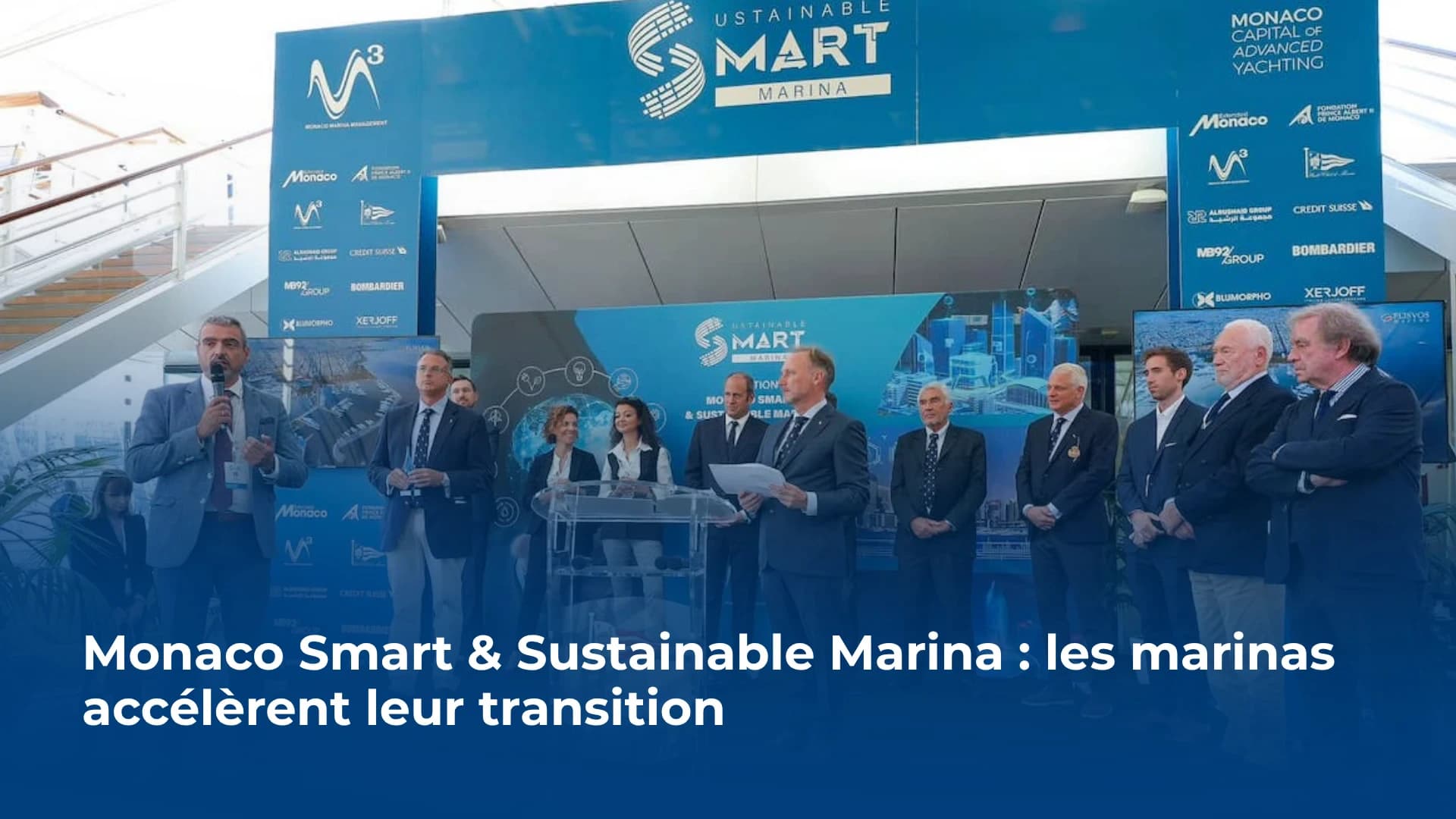
In September, Monaco will host two days of discussions dedicated to the marinas of tomorrow, according to Figaro Nautisme. The Monaco Smart & Sustainable Marina Rendezvous brings together port operators, yachting professionals and experts to discuss the infrastructure and practices that will shape marinas in the years ahead.
Decarbonization is one of the key topics. Yachting, a sector historically subject to limited energy constraints, must now contend with growing pressure from maritime regulations, customer expectations and the environmental image of marinas themselves.
Monaco, an emblematic hub for international yachting, positions itself as a natural testing ground. What the Principality tests or validates in these discussions carries weight as a signal for Mediterranean marinas that are watching the debate closely.
What concrete impacts for marina operators and yacht fleets
For port managers and shipowners, these debates are far from theoretical. They signal concrete changes ahead in bunkering, available infrastructure and the documentation requirements tied to fuel traceability at berth.
Operational impact
Marinas will need to adapt their bunkering capabilities to offer, alongside conventional marine diesel, alternatives such as marine HVO / XTL. This will require investment in storage, supply logistics and training for marina teams.
Commercial and regulatory impact
Yacht owners, particularly those operating commercial charters, will face growing scrutiny of their carbon footprint from both clients and evolving maritime regulatory frameworks. Anticipating this demand becomes a differentiator rather than a burden.
What fuel solutions are available for yachting
Several options already exist to reduce a yacht fleet's carbon footprint, without waiting for a full overhaul of port infrastructure. They differ in compatibility, availability and the level of adaptation required.
- HVO (Hydrotreated Vegetable Oil), a renewable XTL-type fuel usable as a drop-in replacement for marine diesel when approved by the engine manufacturer, with no need for immediate fleet renewal.
- Shore-power electrical infrastructure, being developed in some marinas, mainly suited to non-propulsion needs.
- Combined approaches pairing renewable fuels with onboard energy-use optimisation.
None of these solutions is universal. Their relevance depends on the yacht type, its engine manufacturer, its usage profile and local fuel availability across the marinas it visits.
How to choose the right solution for your fleet
Before committing to a solution, it helps to assess the fleet against a few simple criteria. This approach avoids decisions made under pressure or driven purely by industry announcements.
- Check manufacturer approval for HVO on each engine type in the fleet.
- Identify which frequented marinas actually stock these fuels.
- Assess the cost gap between conventional fuel and the sustainable alternative over the season.
- Anticipate the traceability and documentation requirements expected by clients or port authorities.
The right sustainable fuel choice always depends on the fleet, its usage and local availability — never on a single default solution.
How Heeding supports yachting stakeholders through this transition
Heeding is a marketplace for purchasing sustainable fuels that provides access to offers from multiple producers and distributors, without selling fuel under its own name. For a shipowner or marina manager, this means no longer relying on a single supplier and being able to compare offers that are actually available at the time of purchase.
On the platform, users can compare prices, available volumes and suppliers, place orders directly, and retrieve the documentation and traceability information tied to each order. This simplifies the entire purchasing journey, from finding a supplier to documentary compliance.
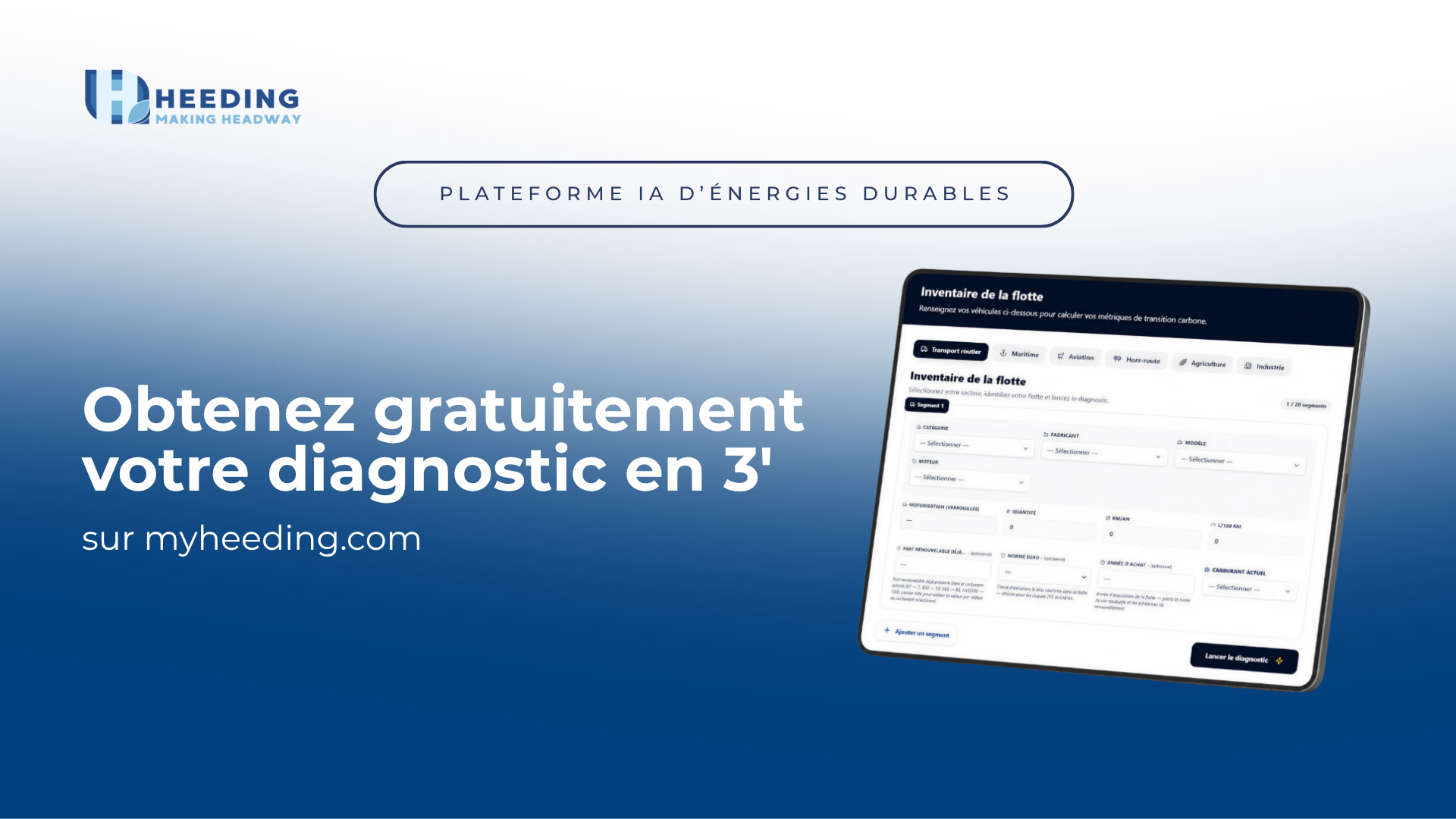
Heeding also offers a Flash Diagnostic to analyze a fleet and its operations, and identify transition solutions that can already be implemented before making a purchase. It is a practical way to approach discussions in Monaco with options already defined for your own fleet.