
Why switching fuels alone won't fix fleet procurement
Switching fuels (HVO, B100) isn't enough on its own: without digitalising procurement, the energy transition stays fragile and hard to steer.
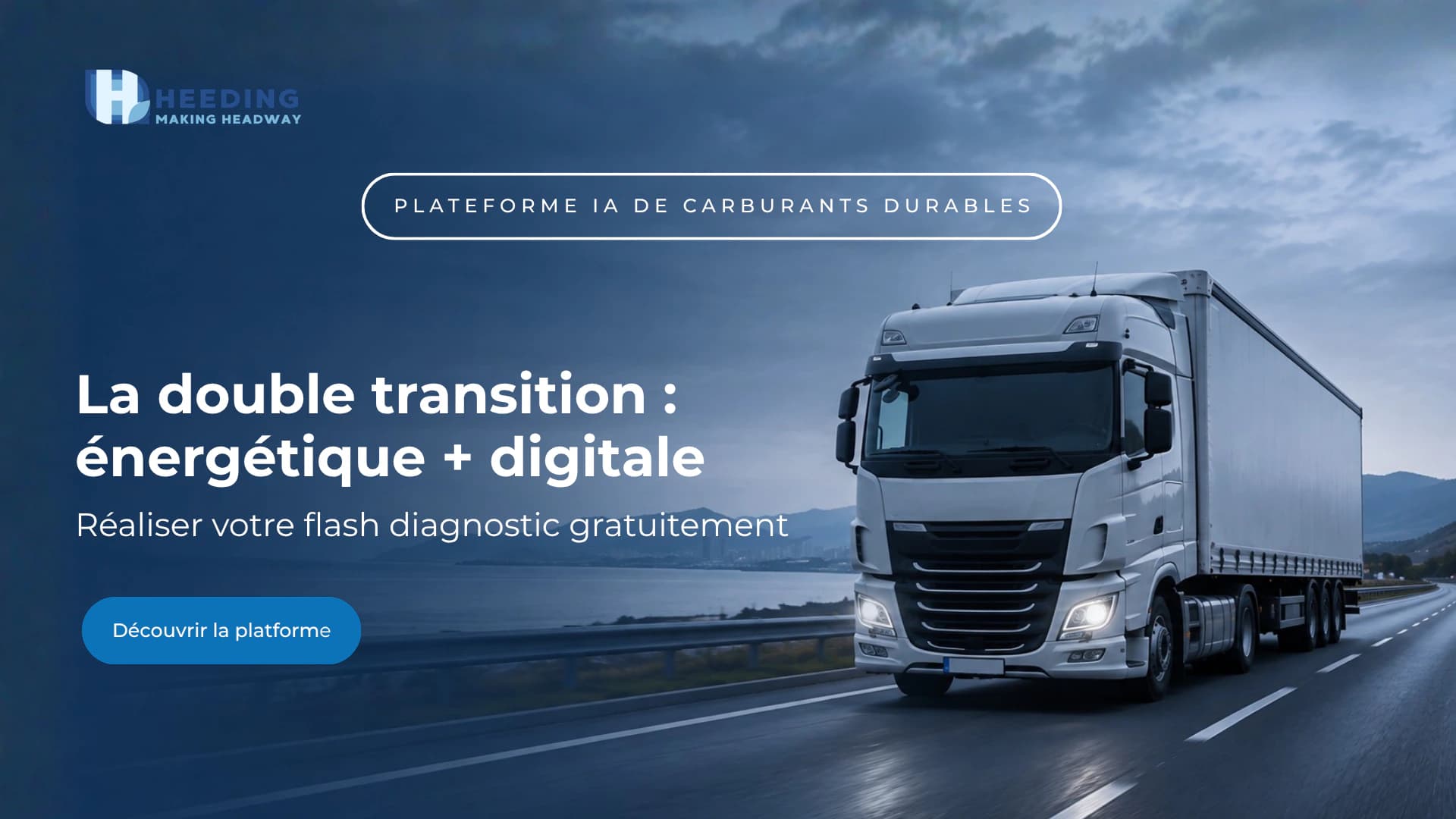
Why the energy transition alone falls short
Adoption of sustainable fuels is picking up pace across professional fleets. HVO (Hydrotreated Vegetable Oil) stands out as a lever that can be mobilised quickly, since it can replace diesel in many existing vehicles without waiting for fleet renewal, subject to manufacturer approval. B100, a biofuel made from vegetable oils, is another relevant option, particularly as part of a gradual fleet overhaul.
But switching fuels is only the first step of a much larger project. The market talks a lot about which molecule to use, rarely about how it gets purchased. Without the right organisation to find, compare and secure supply sources, moving to HVO or B100 remains an isolated decision rather than a managed transition.
Tomorrow's fuel must be more sustainable, but buying it must also become smarter.
What does this mean in practice? The complexity of sourcing
As soon as a company decides to integrate HVO or B100 into its operations, it runs into a dense operational reality. It has to identify suppliers able to deliver the required volumes, check fuel availability in each region, and compare offers that vary from one producer or distributor to another. This scattered information slows decision-making and complicates day-to-day management.
On top of that comes the question of securing supply. Relying on a single supplier exposes a fleet to stock shortages, unanticipated price swings and a loss of negotiating leverage. Finally, tracking traceability data — essential to demonstrate compliance and the sustainability of purchases — is often scattered across delivery notes, certificates and email exchanges.
- Identifying relevant suppliers by region and volume
- Comparing offers that differ in price and availability
- Avoiding dependency on a single supplier
- Centralising the traceability documents tied to each order
What solutions exist? Digitalisation as the missing lever
Faced with this complexity, the answer isn't to throw more people at emails and phone calls. The answer is to digitalise the purchasing process itself. This is where the second transition comes in: a digital transition designed as the essential complement to the energy transition.
Digitalising sustainable fuel procurement brings together, in a single place, all the information needed to decide: available suppliers, prices, volumes, lead times and compliance documents. This centralisation turns a once manual, fragmented process into a structured, faster and better-managed one.
The energy transition and the digital transition are therefore not two separate projects, but two sides of the same effort. Combined, they make the shift to HVO, B100 or any other sustainable fuel easier to execute and easier to justify to internal and external stakeholders.
How to choose the right solution for your fleet
Not all digital solutions are equal when it comes to sourcing sustainable fuel. Before equipping itself, a company should check that the tool genuinely matches its fleet's constraints, usage patterns and operating regions.
Access to a broad supplier network
The first requirement is access to a wide network of producers and distributors. The broader the choice, the more a company can compare varied offers and find the right fit for each site, without depending on a single supplier.
Transparency on pricing and volumes
The second requirement is transparency. Prices, availability and volumes need to be visible before an order is placed, so the buyer can make an informed decision rather than negotiating blind, supplier by supplier.
Automated traceability
The third requirement is automated traceability. Documents linked to each order — certificates, volumes, origin — should be retrievable directly from the platform, without manual searching after the fact, lightening reporting and securing supporting evidence.
How Heeding supports this shift
Heeding is a marketplace and procurement platform for sustainable fuels. It does not sell fuel in its own name: it gives buyers access to offers from multiple producers and distributors, so they no longer depend on a single supplier and can compare options at the moment they place an order.
In practice, with Heeding a buyer can compare multiple suppliers, compare prices and availability, identify accessible volumes, and order directly from the platform. They also retrieve the documents and traceability information tied to each order, centralised in one place rather than scattered across multiple contacts.
Heeding does not push a single technology: the relevance of HVO, B100 or any other solution depends on the fleet, its usage patterns, operational constraints and local availability. That's why the platform also offers a Flash Diagnostic, which analyses a fleet and its usage to identify the most relevant transition options before purchasing.
Conclusion: making the double transition work
Switching fuels is a necessary step, but it is not enough on its own to guarantee a successful transition. Without digitalised procurement, companies remain exposed to supply complexity, supplier dependency and fragmented traceability.
The energy transition and the digital transition must move forward together to be truly effective. Tomorrow's fuel must be more sustainable, but buying it must also become smarter. To assess your fleet's digital and energy maturity, try the Heeding Flash Diagnostic: https://tools.myheeding.com/diagnostics